Nature's Class: Experiential Discovering with Horses forever Abilities
I learned to review an equine before I discovered to review a spreadsheet. The gelding that educated me was not attractive, a sun-bleached bay with a swayback and patient eyes. When I stomped into the paddock in a rush, he would certainly avoid and chew, his head turning just enough to claim, easy. If I slowed my breath, he would certainly lick and tip towards me. That dancing became a practice I now enjoy customers discover in our sector week after week, whether they arrive for restorative horsemanship, equine-assisted tasks, or equine-facilitated coaching. The equines do not talk the method we do, yet they give clear examinations and charitable responses. This is why experiential learning with equines changes people, often in a solitary session, typically over months of steady practice.
Why horses educate the way life in fact works
Horses are large, sensitive victim pets. Their survival relies on exact reading of body movement, energy, and purpose. People that hang out with them swiftly find a basic policy: you can not fake your withins. An equine notices the small mismatch between your words and your nerve system. If you say you are tranquil while your shoulders climb up towards your ears, that steed could move away, plant his feet, or fidget until you locate congruence.
That harmony is what most of us require in reality. In a tough meeting, in a jampacked food store, in a class that feels also loud, the skills that help you partner an equine also help you browse people and atmospheres. You learn to manage your stimulation, to set clear limits without aggressiveness, to regard nonverbal cues, to adjust rapidly when a strategy is not functioning. The sector ends up being a low-stakes lab for exercising visibility, management, perseverance, and problem solving.
Equine-assisted solutions been available in several kinds. Restorative horsemanship usually supports motor abilities, self-confidence, and interaction, occasionally consisting of installed job. Equine-assisted activities might focus on life skills or wellness in a non-psychotherapy setup. Equine-facilitated wellness and equine-facilitated training normally unravel on the ground and draw on mentoring or psychological health and wellness structures to construct self-awareness, strength, and relationship abilities. The labels differ by region and certifying body, yet the via line coincides: horses assist individuals practice just how to be with others and with themselves.
How experiential discovering with horses in fact happens
A common session begins far from the saddle. We could satisfy at eviction, view the herd for 10 minutes, and name what we observe. Which equine stands between others and the hay? Which one swings a hip to make room? Herd seeing builds observational skill and grounds the nervous system. Clients discover to tell without hefty analysis. He put his ears when she obtained close. She moved away three steps.
Then we enter an activity. I place 4 cones in a square, set a halter on the rail, and ask a question such as, Exactly how would certainly you such as the equine to join you inside the square? The equine hangs. There is no stress to achieve rapid results. I advise the client, notice your feet, see your breath, choose where your border is. The very first attempts frequently include hurrying, words spilling out at the silent equine. Absolutely nothing takes place, or the equine ambles off to smell the mounting block. We stop briefly. We try a smaller ask. Allow's begin by welcoming him to consider you. The customer opens their body, softens their look, and takes one well balanced action. The horse flips an ear, then turns a whiskered nose towards the person. That tiny success matters.
Learning sticks because the equine provides instant, honest comments without judgment. Adjustments in energy, stance, and micro-movements create brand-new end results right away. You do not go over management as an abstract idea. You experience it by asking a thousand-pound partner to follow you through a slim gap, after that changing your quality when he hesitates.
Safety, welfare, and the ethical core
Good programs hold the welfare of horses and humans at the facility. We work with equines that like the job, usually middle-aged professionals with regular characters, and we cover session lengths to prevent fatigue. A deeply kicked back equine can still trip or spook, so we construct layered security: well-kept ground, breakaway equipment when suitable, clear escape paths, and staff educated to read very early tension.
Clients authorize notified approval, and we hang around on borders, for equines and individuals alike. No food without permission, no stroking an equine's face till you have actually established depend on, and no standing in kick zones. The horses have rest days and turnover with other equines. Their bodywork, hoof care, and nutrition are not additionals, they belong to the contract we make when we ask to aid people change.
There are restrictions. Equine-assisted coaching is not an alternative to psychological wellness treatment when a person needs scientific care. For clients with severe suicidality, active psychosis, or unchecked aggressiveness, a psychological health and wellness specialist should lead or co-facilitate. On the equine side, not every kind-eyed gelding is suited for this work. A persistantly anxious or pain-limited horse might say no in ways we need to respect. The best facilitators know when to stop or refer out.
What a session feels like from the inside
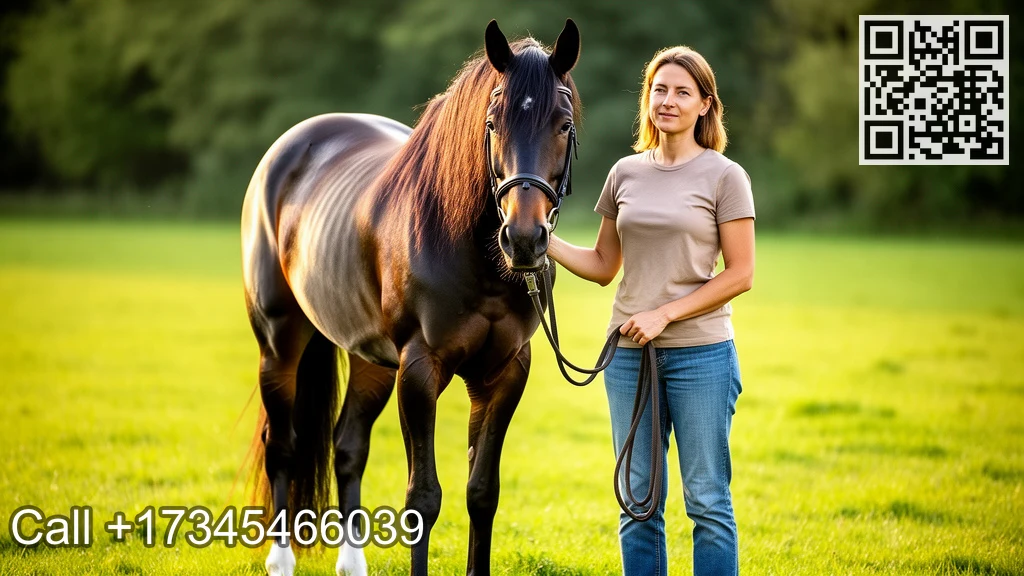
A woman in her thirties gets here jittery from a challenging week at work. She desires confidence. We start with grooming. She brushes in lengthy strokes, after that quicken around the belly where she worries the steed may ticklishly tip. He lifts a hind, not to strike, yet to claim, slower please. We pause. She notifications her own speed. On the 2nd pass, she takes a breath, keeps a stable rhythm, and the unguis reduces. When we stroll over poles, she establishes a speed so fast that the equine burglarize a trot, then crowds her area. I step in and ask her to claim a clear bubble, to drive her imaginary hula hoop. She squares her shoulders, factors her belly button ahead, and suddenly the equine matches her speed with area to save. Her face shifts from frown to surprise to a practically giddy smile. That moment of earned influence deserves a page of inspiring quotes.
Another morning, a teenager with ADHD gets here with a mind like a hummingbird. He speaks heading from the cars and truck to the paddock, subjects backfiring from football to algebra to the price of hay. The steeds teach timing and sequencing much better than any kind of lecture I could give. We play a game called Gates and Gratitude. He sets up a path through three gates constructed from cones and pool noodles. The regulation is simple: before you ask the equine to adhere to, choose the specific order of your steps, after that state one clear sentence. He intends to say everything at the same time. The horse follows him through the first gate, then stops at the 2nd when the instructions blur. Rather than informing him what he did wrong, I ask him to run his strategy once again, fewer words, one breath. By the third run, his sign is crisp. The horse flows. He beams. This ends up being a bridge to schoolwork, where he explores one task per sticky note to imitate the one cue per gate.
The life skills that maintain revealing up
Clients show up for various reasons, yet comparable skill clusters arise. Interaction obtains plainer. Individuals practice naming what they desire, after that holding that demand kindly. Limits get clarified, not as wall surfaces yet as arrangements. You learn to welcome a horse to step back without pushing him away mentally. Emotional regulation reinforces in both instructions. The very turned on client learns to soften; the under-energized customer discovers to activate and use up space. Problem addressing comes to be more adaptable, due to the fact that horses reply to the high quality of the ask, not the tale concerning it.
With leaders and groups, the feedback develops. I once worked with an item group that had delayed. Their steed, a steady draft cross, would certainly not follow anyone through a narrow chute. Four people attempted to coax, plead, and afterwards crowd him forward. He grew like a granite boulder. We paused and asked, what is missing out on? After some ribbing and a couple of guesses, one quiet engineer stepped back, broadened the room by an inch on each side, and strolled forward with a clear path. The horse followed as if it had actually been his idea. The group laughed, then discussed just how they had tried to push a project through an organizational traffic jam without widening the path for operations. That day established the tone for the following quarter's planning.
Team structure with steeds works due to the fact that the metaphors are not forced. Equine-assisted training in a team reveals that over-functions, who looks into, that holds the knowledge of the pace, and who can collaborate without power structure. You can not smooth talk a steed into walking through a tarp; you have to create enough safety, after that lead with clarity.
Somatic knowing and why bodies remember
A huge component of equine-facilitated wellness entails the body. Somatic recovery with steeds is not magical or obscure; it is grounded in the basic fact that nervous systems co-regulate. A consistent equine with a reduced heart price usually aids a human resolve, and lots of clients can feel the distinction in between distressed and present in their own bodies when they stand next to a kicked back gelding and match his breathing. Touch, activity, rhythm, and clear boundaries all send out signals to the vagus nerve and limbic system that life is secure enough to learn.
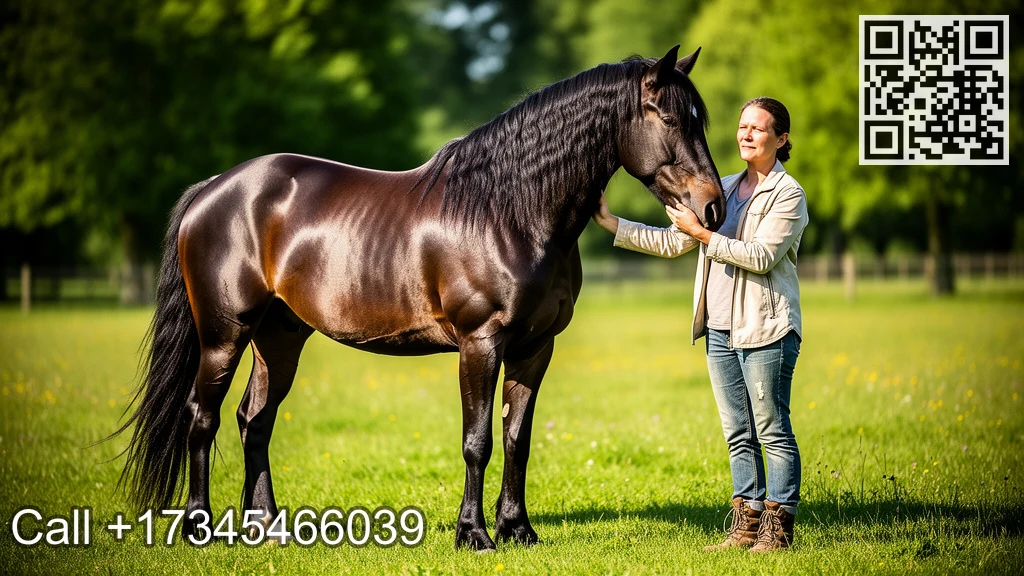
We do not press catharsis. If a customer tears up, we hold room, stick with physical experience, and go back to the job handy when they prepare. The horse does incline if you cry; he minds if you quit taking note of your feet while holding his lead rope. That tether to the concrete protects against spirals.
Support for neurodiverse learners
An ADHD equine discovering assistance session could look lively, however it is deliberate. We portion jobs, externalize steps with visual pens, and deal prompt responses that is not a scold. Equines favor tidy signals. That choice trains executive feature. A kid who battles with impulse control can find out to pause at eviction, matter one-two-three, after that ask the steed to stroll on. The steed responds better to the pause than to the rush, which enhances the habit.
For clients on the spectrum, an autism equine discovering program stresses predictability, sensory guideline, and clear social signs. Not everyone desires touch, which is great. We can develop connection alongside at a risk-free distance, walking with each other around the arena and discovering the horse's ear flicks, tail swishes, and breathing. Alternative treatment for sensory difficulties does not mean blowing up through pain. We change the setting, lower noises, decrease visual clutter, and introduce structures slowly. An unclear curry mitt could be easier than a rigid brush. Several customers find the balanced sway of leading a steed at a walk relaxing, especially when paired with a regimen: halter on, pause at the gate, 3 laps at an also pace, then rest with a hand on the withers if welcome.
Trade-offs exist. Some clients yearn for the deep sensory input of grooming or leaning into a broad upper body, while others discover the barn smells and bird calls frustrating. We prepare short exposures and build choice into every action. The objective is not to endure more, it is to build capacity and agency.
For anxiety, grief, and life transitions
Anxiety support with steeds pairs well with breath job and present-moment alignment. When a customer worries about theoretical catastrophes, the equine welcomes a go back to the here-and-now with jobs that have edges. Clip the lead rope. Request for a step. Celebrate the action. Over time, customers collect success secured in muscle memory. I have watched current widowers regain hunger for routine as they find out the quiet complete satisfaction of mucking a stall, then taking a mare for a slow-moving walk. The work is simple and recurring, which typically feels like relief.
We prevent glamorizing innovation moments. The even more long lasting adjustment often tends to come from normal sessions piled constantly. After 6 to ten visits, a lot of clients can call a concrete change: much better sleep on barn days, less breaking at family, raised resistance for congested corridors at college, a calmer start to Monday meetings after a Friday afternoon session. Not magic, just nerves exercising security and influence.
Coaching, treatment, and lines worth keeping clear
Equine-assisted mentoring focuses on goals, abilities, and ahead activity. We might ask, what limit do you require to keep in that sales discussion, and exactly how can you practice it with this mare? Therapeutic horsemanship leans extra right into functional renovations like balance, coordination, verbalization, and positive self-image, in some cases with placed job under the assistance of certified instructors. Equine-facilitated wellness can link both, with a psychological health expert incorporating equines into treatment when appropriate.
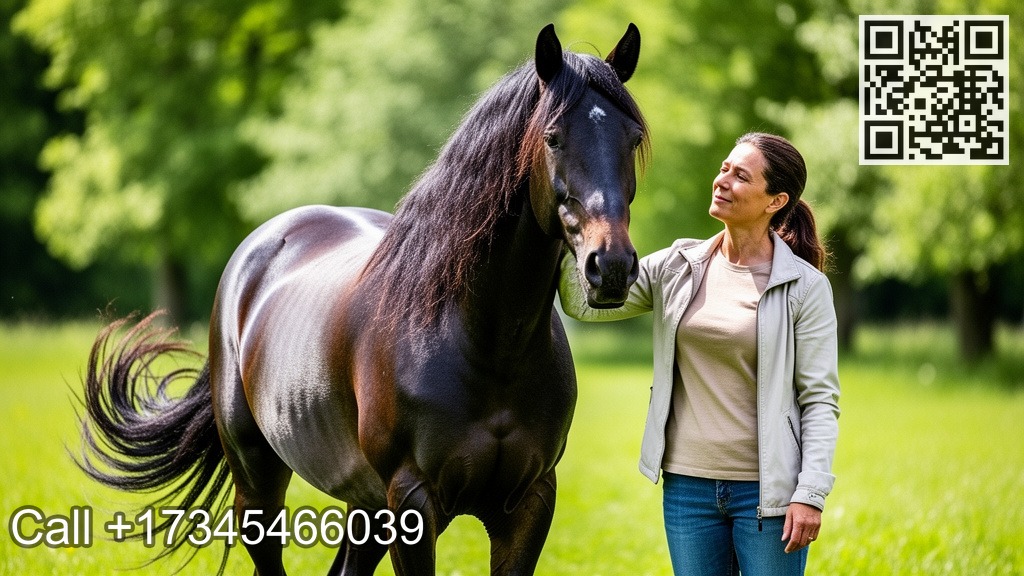
A basic examination helps: if the main purpose is symptom decrease for a psychological wellness diagnosis, pick a treatment program with certified medical professionals. If the purpose is leadership, communication, anxiety strength, or group dynamics, coaching is likely the far better framework. Programs can and do work together, and the best suppliers are transparent regarding scope and recommendation pathways.
What it costs, how long it takes, and what to wear
Fees vary by area and staffing. In my area, personal equine-assisted coaching sessions run between 90 and 175 dollars for 60 to 75 minutes. Group programs reduced the cost each and usually develop abundant peer learning. Nonprofits supplying equine-assisted services sometimes have scholarships. A lean pilot collection for a company team could be a half day on site, then a regular monthly follow-up, while individual clients tend to benefit from at the very least 6 sessions to really feel traction. Some keep for a period, some for many years, updating objectives as they go.
Clothing is basic. Closed-toe shoes with walk, layers you can move in, and gloves if you have sensitive hands. Helmets are needed for placed job and often used for ground sessions with children. We cancel for lightning and severe warmth. Rainfall is usually great, as long as footing keeps risk-free. Mud instructs patience.
Common misconceptions and how I address them
People often think they require horse experience, or that they will certainly ride on day one. Not necessary. A lot of our job is on the ground, and we begin where you are. One more misconception is that an equine will certainly mirror you specifically, as if tranquil always equals tranquil and anxious always equates to anxious. It is messier than that. Steeds bring their very own backgrounds and everyday moods. Your job is to notice, adjust, and construct depend on anyway.
A third misconception is that equine-facilitated training is an one-time surprise manufacturing facility. Yes, you might have a big minute. More often, you will certainly have a series of tiny, sturdy success that take a trip into your commute, your kitchen area, your next discussion with a manager or a kid. Those hold far better than fireworks.
A short list for choosing a high quality program
- Credentials that match your goals, such as PATH Intl. Or CHA instructors for restorative horsemanship, ICF or equivalent mentoring credentials for equine-assisted coaching, or licensed clinicians for therapy-based services.
- A clear safety and security orientation, including steed choice, devices, and emergency situation plans you can understand.
- Horse well-being techniques you can see, like routine turnover, balanced workloads, and consent-based handling.
- A structured consumption that asks about goals, health and wellness background, and holiday accommodations, not just payment info.
- Outcome tracking that fits the service, from straightforward self-ratings to particular ability rubrics.
Measuring progress you can stand on
I ask clients to specify 2 or 3 functional targets at the beginning. For a supervisor, it may be holding a border in regular one-on-ones. For a moms and dad, it may be remaining calmness through morning regimens. We after that couple subjective check-ins with concrete habits. Can you lead a horse through an interruption without losing your bubble of room? Can you reset within 30 secs after a startle? On barn days, does your heart price return to baseline much faster when under moderate stress?
For youngsters and teenagers, we obtain from school-based procedures. A straightforward scale from 1 to 5 on interest to job, transitions, and impulse control, taped at the beginning and end of a session, can reveal modification over 8 to 12 weeks. None of this needs to be medical to be purposeful. The key is to make progression noticeable and shareable with instructors, specialists, or partners when appropriate.
Team intensives that stick past the parking lot
The most reliable group building with steeds follows a form: pre-brief with management to identify actual friction points, half-day to full-day sector job that creates unscripted moments, then assisted in translation back to the workplace. I have seen teams transform their conference tempo after viewing their horse park himself at the water trough when the people repeated an obscure cue three times. That single image - do it right or do it vague - became a catchphrase. Follow-ups matter. A 60-minute digital debrief 2 weeks later commonly turns great stories right into policy changes.
We design tasks that map to actual work. If a group has problem with handoffs, we utilize a relay to relocate an equine through zones with various handlers, everyone responsible for a tidy shift. If a group lacks psychological safety, we include optional challenges like strolling across a tarpaulin, then praise good no's as long as brave yes's, constructing a culture where people can decline without penalty.
When riding assists, and when it does not
Mounted therapeutic horsemanship brings one-of-a-kind advantages: vestibular input, equilibrium, bilateral control, and a various type of collaboration. For clients with sensory looking for profiles, the motion of the equine can soothe and arrange the nerves. For clients with trauma backgrounds, mounted work can be too at risk early. Ground work offers lots to chew on without adding the complexity of reins, stirrups, and equilibrium. There is no one right sequence. We determine based upon objectives, preparedness, and what the equine states that day.
An easy method to begin, even if you have actually never ever touched a horse
- Visit a barn that provides equine-assisted solutions and ask to view a session with consent. Notice just how personnel take care of horses when clients are not present.
- Book a 30-minute meet-and-greet. Practice haltering, leading at a stroll, and stopping with a soft ask.
- Set one life ability you intend to reinforce, specified as a behavior. For example, I intend to make one clear demand and hold it without apology.
- Commit to four sessions and maintain notes after every one. What altered in the arena? What did you try at home or work the next day?
- Share what you find out with one ally that will advise you of your objective when life obtains loud.
A few extra tales that keep me humble
A father and tween little girl arrived fighting, eye rolls and mockery loading the air prior to we reached the gate. I handed them a loosened horse, a halter, and a rope, and asked to halter with each other without utilizing https://privatebin.net/?1b2336f15e7c7511#CAC1b1xZ8uxyG7F8NZitWK1nkDP7UxPLr8gEc7zj39wq words. The very first effort looked like a tug of war. The mare blinked, then walked away. By the 3rd effort, they made room for each other's hands and eyes. The mare tipped her nose right into the halter. Both sets of shoulders decreased. En route out, the little girl claimed, that was the very first time all week we did a thing without yelling. They lugged that pattern right into discharging the dishwashing machine by revealing, then switching, instead of barking instructions.
A paramedic followed a harsh run of graveyard shift. His nerve system lived at a continuous 7 out of 10. We did nothing remarkable. He discovered to walk a boundary, to see exits like always, but to maintain his upper leg muscle mass soft and his jaw unclenched while the equine mirrored his speed. After 6 sessions, he reported less headaches and started sleeping in 90-minute portions rather than popping wide awake every 20 mins. He stated the horse provided him a memory of tranquility he might locate in the rig.
A high schooler on the autism range brought a laminated communication card collection. We matched the cards to horse behaviors. Ear onward, curious. Ear pinned, frustrated. Tail swish, mosquito or inflamed or both. He began to aim and call, then attempt a little adjustment. Step back 2 feet. Wait 5 seconds. The very first time the gelding approached him without being asked, he grinned so huge he practically lost his glasses. The social reward was not a star on a wall surface. It was an equine selecting him.
What I wish more people knew
You do not need to be fearless to find out with steeds. Regard is enough to begin. You do not require to love dirt or endure loud noises. Excellent programs can produce quiet corners and steady pacing. You do not need to be significant. Horses pay attention more to your breath than your monologue. You do not require to have a tidy life. The arena does not care about your job title or your past. It cares whether you will come back after a little failing and attempt again with a little extra quality, a little more patience.
If you are a moms and dad hunting for aid with a sensory overloaded youngster, a supervisor tired of chatting in circles about group society, a young person navigating anxiousness, or a senior citizen finding your rhythm, equine-assisted training and equine-facilitated health use a based course. Steeds make you noticeable to on your own in a way couple of various other teachers can. They ask straightforward inquiries without words. Are you below? Do you suggest it? Will you stay kind when you established a restriction? Discover to respond to yes with your body, and see exactly how commonly the remainder of your life claims indeed back.
The bay who showed me at the beginning still lives below, older, much more silver around the eyes. I still examine my breath at eviction. Some lessons you do not grow out of. They grow with you, shaping the method you walk, the means you speak, and the means you listen to a thousand-pound partner who levels every time.