Lead Rein Leadership: Group Building with Steeds for Trust Fund and Clearness
On a clouded early morning in late spring, an item group from a midsize tech business stepped into a sand arena, everyone holding a lead rope clipped to a calm bay gelding named Boone. They were anticipating icebreakers, maybe a rope course in camouflage. Rather, the facilitator asked a silent question: "Who is leading, and who is complying with?" 5 mins later on, Boone answered for them. He strolled with the only person whose hand remained consistent and whose breath did not hitch. When the others tried to guide with babble and unclear signs, Boone stopped briefly, blinked, and stood like a granite statuary. He was not persisting. He was being honest.
That is the heart of equine-assisted mentoring. Equines read congruence. They tune in to intent, stress, and clarity long before we hear our own words. When teams discover to provide a clear ask and release stress at the best moment, connections shift. Conferences shorten. Accountability enhances. Trust fund, that typically abstract idea, turns practical and visible.
Why equines show leadership differently
Horses are prey animals with refined nervous systems. They have endured by tracking micro-signals in their herd and atmosphere, then choosing an instructions along with rate and communication. They can not be misleaded by a certain tone that covers up doubt, or by a smile that hides disappointment. An equine feels what holds true with breath rate, pose, and the solidity of a person's facility. That makes them ideal mirrors for leadership, team building, and somatic learning.
In traditional workshops, talk can win. A solid audio speaker can rack up factors without altering anything regarding exactly how they really relate under pressure. In deal with steeds, intent and behavior either produce motion or they do not. The feedback lands without shaming any individual. If a staff member draws, the horse supports. If the person groups room, the horse steps away. If the person supplies a clear boundary after that softens, the steed adheres to. This is why equine-assisted solutions are frequently described as quick responses. The loop from action to reaction is instant, normally within a breath or two.
Trust expands because the horse has no stake in your org chart. Boone does not care if you are a VP or a trainee. He reacts to sincerity, justness, and management supplied with quality. The very same characteristics that make restorative horsemanship powerful for people, make equine-assisted activities and mentoring effective for organizational discovering. The arena becomes a clean laboratory for partnership experiments where the results appear in hooves, not glide decks.
What a session in fact looks like
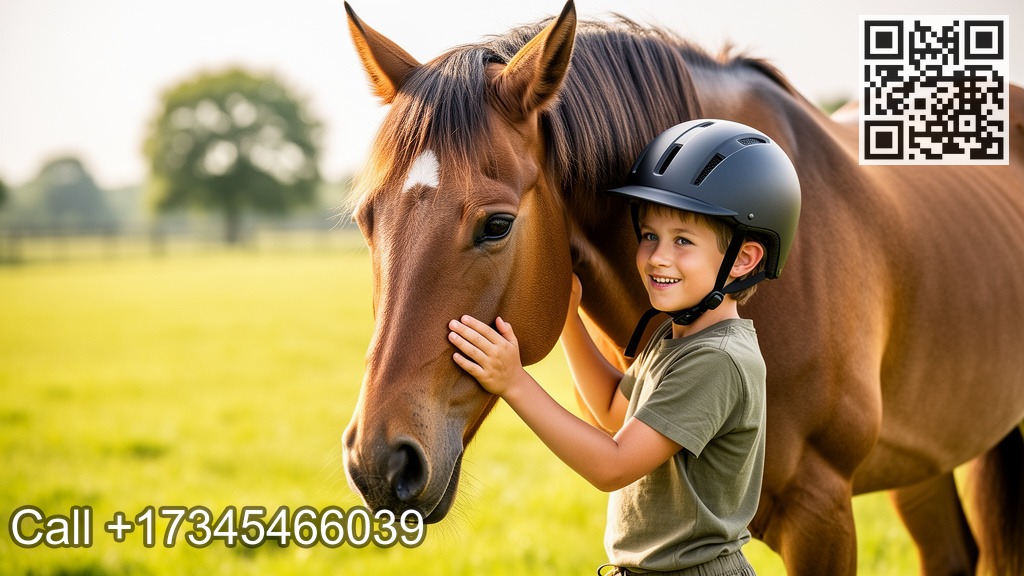
The ideal programs begin before any person touches a horse. Safety and security and approval established the tone. People find out how to stand, just how to welcome an equine to relocate, and how to march if a task feels overwhelming. Helmets are offered. Closed-toe shoes are non-negotiable. Facilitators, typically combined with an equine specialist, checked out both the human team and the herd, after that shape workouts to match.
An usual very first exercise is simple: halter, lead, and stop with the horse in step next to you, not behind or ahead. It seems simple on paper. In technique, it exposes whether your objective is clear and your timing is thoughtful. Ask the steed to stroll, then soften your hand so you are not dragging. Ask to quit, then relax your body. If you hold stress after the quit, the equine will likely creep. If you hurry the stroll, the steed may quicken, after that lean with your hand when it is time to slow. Each minute is a micro-debrief on clarity.
Next, groups may browse a challenge, such as strolling over ground posts or with a significant passage. With no voice allowed, the group needs to collaborate via signals, eye call, and setting. A person requires to take factor. Another person requires to keep an eye on speed. Somebody needs to watch the steed's ears and taking a breath to know when to pause. The very best debriefs link what happened in the field to what takes place at the office. Who held the big image. Who tracked danger. Who bridged between vision and execution. That picked up when the horse was bewildered and developed a reset.
Sessions often run 2 to 3 hours for a half day, or 5 to 6 hours for a complete day with breaks. Optimal team size for finding out with live equines has a tendency to vary from 6 to 12. Bigger teams can revolve, but the magic lives in direct get in touch with and monitoring, not in spectating from a range. Individuals that are not leading still learn by checking out ears, eyes, and foot positioning. The steed's body gives a running commentary.
The significance of the lead rein
In English riding, a lead rein is a straightforward band and clip. In technique, it is a covenant. Pressure asks. Launch thanks. You use a small feeling towards the direction you want, then you soften the immediate the horse returns. Too much pressure, the steed stands up to. Too little, the horse has no idea what you desire. The art remains in timing and clarity, not force.
Good managers use the exact same concept. When you ask for a deliverable, https://penzu.com/p/3e6a104a4f3f5358 define done. Agree on checkpoints, after that ease off. If your team takes an action in the best direction, acknowledge it quickly. If you keep pulling long after they have abided, they learn to support or tune you out. If you never offer a clear ask, they think twice or overcompensate. Job either gets pushy or vague. Horses assist people really feel that cycle physically, not just intellectually.
During one exercise, a sales director kept cueing Boone to advance while unconsciously tightening the lead rope at the very same time. Boone remained grown. The facilitator directed this out carefully. The director giggled, after that attempted again, this time opening his hand as he asked. Boone strolled off at the same time. Back at the office, that supervisor transformed how he ran pipe reviews. He maintained the ask crisp, then gave space. His team reported fewer firefights within a month.
From activity to training and wellness
It aids to comprehend the spectrum of equine-assisted services. Equine-assisted tasks consist of structured, non-therapeutic discovering experiences, such as group structure with steeds or leadership workshops. Therapeutic horsemanship includes ability structure on the ground or mounted for individuals with physical, cognitive, or emotional demands, and is generally shown by teachers with details flexible training. Equine-assisted mentoring, in some cases called equine-facilitated mentoring, blends mentoring frameworks with horse-facilitated exercises to target professional growth, interaction, and management. Equine-facilitated wellness leans right into the psychological health and somatic dimensions, occasionally in cooperation with certified therapists.
Ethics and quality around scope issue. If you are seeking efficiency conversations for a leadership group, you desire seasoned trainers that comprehend organization characteristics and team procedure. If you are sustaining injury recuperation, you want licensed medical professionals that incorporate steeds securely into treatment strategies. The lines can overlap, and lots of barns partner across self-controls, but the supports are authorization, safety, and specialist competence.
Why experiential learning with steeds sticks
Rehearsing a difficult conversation at a whiteboard involves only component of the mind. Doing similar work close to a thousand extra pound trip animal includes the whole body. Somatic understanding means your nerve system updates its patterns through felt experience, not simply with concepts. When you get consistent before an equine, then see the equine relax and react, your body records that link. People leave the field with new muscle mass memory for how a clear ask really feels, how a limit really feels, and exactly how to pause when arousal rises.
I commonly coach individuals to view an equine's breath as a mirror for their own. When a person softens their jaw, the horse typically exhales. When the individual tenses, the horse's ribcage tightens. That noticeable comments aids individuals control. In time, the same law shows up in team gathers before an item launch or in a boardroom during a heated budget plan debate. The lesson is not about horses. It has to do with attunement and quality under stress.
Neurodiversity, anxiousness, and sensory needs
Beyond company job, equine-assisted programs usually serve neurodivergent learners. An ADHD equine discovering support session might concentrate on pacing, impulse control, and task sequencing in a manner that really feels active as opposed to revengeful. A pupil methods leading at a consistent speed, then resetting with a breath prior to the next ask. The steed provides immediate feedback without judgment. Success ends up being concrete: the horse remained with you with three cones at a constant walk.
For individuals on the autism range, an autism equine discovering program can stress predictable routines, clear signals, and gentle sensory input. Brushing in lengthy strokes, really feeling the resonance of a nicker with a cheek versus a neck, stepping over posts individually, every one of this organizes sensory experience. Several households explain their kid leaving calmer, much more collaborated, and much more certain in checking out nonverbal signs. Communication construct in both instructions. The horse replies to the youngster's clearness. The child learns that fairness and uniformity create safety.
People handling anxiousness typically locate relief via somatic recovery with steeds. A victim pet lives by observing, but additionally by resetting promptly to grazing once a risk passes. Exercising this reset with a tranquil herd member develops a version for the body. The message is: notice, act, recover. For some, time with equines comes to be a different therapy for sensory difficulties that formal talk treatment alone has not addressed. The motion, the odor of hay, the rhythm of hoofbeats, also the peaceful task of loading a water pail becomes grounding.
Important note on scope: while equine-facilitated wellness can match therapy, it is not a substitute for healthcare or crisis support. Good programs coordinate with healthcare providers when suitable, utilize informed permission, and preserve boundaries around what the field is and is not.
A field tale concerning clearness and trust
A remote-first startup involved the cattle ranch after an uneven quarter. Missed out on handoffs, shadow choices, and rising rubbing. Twelve people, 2 of whom had never ever fulfilled personally. We started with an easy tandem lead of a mare called Poppy through an S contour of poles. The very first pair made it midway, after that Poppy raised her head and stopped. She was not startled. She was puzzled. Their asks negated each other by an inch.
The group decided to nominate a solitary leader for every section, with specific handoffs at the turns. They added one function called the Display, whose only job was to claim "Time out" when Poppy's ears pinned or her breathing altered. The whole team breathed out together when Poppy strolled the full training course in a smooth line. That afternoon, the team rebuilt its item review cadence using the very same roles. A month later on, the CEO wrote that their weekly planning went down from 90 minutes to 45, and they were shipping on projection once more. Nobody discussed Poppy in those conferences, but the handoffs and stops briefly lived on.
Designing the ideal program for your team
Choices matter. The best design begins with a clear purpose, not just a fun day out. Are you building trust after a reorg, onboarding a new leader, fixing cross functional rubbing, or avoiding fatigue. Each goal suggests a various arc. A trust fund concentrated day may couple gentle brushing with limit job and common lead workouts. A quality focused day might lean into timed challenge training courses with rigorous no speaking regulations to require crisp nonverbal leadership.
Consider logistics. Weather condition issues, but rain can include beneficial structure if you have covered room. Procedure often run quarter day, half day, or complete day. Group dimensions over a lots usually divided. One facilitator for each 4 to 6 individuals maintains interest sharp and safety tight. Fees differ by area and team size. For preparation, lots of companies spending plan in a similar way to offsite method days or skill workshops in the same area, with a premium for location and equine team. The variable to see is ratio. If a program supplies deal pricing by piling 20 people per equine, top quality will certainly endure. Horses are not props. They are partners.
Here is a brief planning list many clients discover valuable:
- Clarify goals in one sentence you can evaluate in the arena.
- Confirm facilitator credentials, including equine, coaching, and safety credentials.
- Align group dimension with equine and personnel accessibility for a 1 to 4 or 1 to 6 ratio.
- Plan for debrief time equivalent to or longer than workout time.
- Set article event methods so lessons turn up at the office within a week.
Measurement without overcomplication
Return on financial investment gets slippery when you go after dollar figures also hard. Still, you can track purposeful results. Before the workshop, ask individuals to price quality of roles, trust in peers, and effectiveness of meetings on a straightforward 1 to 5 range. Repeat the survey 2 to 4 weeks after. Look for motion of at least one point in targeted locations. Pair numbers with actions markers, such as time to choice on cross team issues, frequency of rework, or the number of disturbances in standups.
One manufacturing customer tracked safety near misses and team communication incidents for eight weeks pre and eight weeks publish a series of equine-assisted coaching days. Near misses out on dipped decently, while incident reports that consisted of positive peer training climbed. The plant supervisor credited a new practice of "ask, then release" that managers practiced in the arena. It likewise assisted that the sessions built connections throughout changes that rarely overlapped.
Qualitative tales matter. You will hear individuals say things like, "I realized I discuss individuals when I get anxious," or "I need to make a clean ask and stop including problems." Record those reflections. Utilize them in efficiency discussions later, not as cudgels but as anchors for change.
Safety, principles, and the steeds' well being
Responsible equine-assisted solutions put steed well-being at the facility. That begins with suitable job hours, rest, and herd life. Equines should have yield, social call, and exercise outside of sessions. During programs, they need water, shade, and breaks. The herd's permission matters, too. An equine that chooses to involve will certainly teach far better than a horse that is closed down.
Human safety and security resides in prep work. Clear briefings, appropriate footwear, safety helmets when required, and professional oversight are basic standards. Great facilitators review the very early indications of bewilder in both people and steeds and understand when to streamline or stop. They also hold boundaries on what the field is for. It is not the area to discover unresolved injury without support. It is not the area to press somebody into call with a steed if worry is high. Permission is not an one-time signature, it is a continuous conversation.
As you veterinarian carriers, inquire about associations and training. Lots of specialists hold qualifications or education and learning with well established organizations in restorative horsemanship and equine-assisted coaching. While letters after a name do not ensure fit, they do suggest a commitment to standards and proceeding education. Insurance policy must be existing and suitable to the work.
Edge cases and thoughtful adaptations
Not every person wants to be near an equine. Allergies, cultural sights, previous experiences, and straightforward choice are entitled to respect. Great programs create sensible alternatives, such as observation roles that bring real weight or identical exercises with distance. Worry that softens with time can be among one of the most important understandings, yet courage just counts when the person has selection and support.
Medical considerations deserve evaluation. Pregnant individuals, people with current surgical treatments, and those with balance difficulties might need customized tasks. Groups with participants who make use of mobility devices or wheelchair gadgets can still take part, with innovative configuration. Grooming at a reduced connection, liberty work from a fence line, and twin lead exercises can all adjust safely.
Weather can amplify threat and learning both. Warm requires a lot more breaks and water. Cold impacts hold and interest. Wind can bring unanticipated motion that equines discover long before individuals do. Facilitators prepare with those realities in mind, or they reschedule. There is no heroism in pushing via unsafe conditions.
Bringing lessons home
The success of equine-facilitated mentoring shows up back at the workplace where it matters. The trick is to transform really felt experience into daily practices. Numerous teams set up a half an hour debrief within 2 days to equate arena understandings into particular habits. They likewise select an individual to expect drift, the sluggish go back to old patterns.
Here are five methods that transfer well from the lead rein to the workplace:
- Make a clear ask, then stop chatting. Let people respond before you include more.
- Notice stress and reset. If the area tightens up, call a brief pause to breathe.
- Name functions and handoffs aloud. Clarity minimizes rubbing greater than heroics.
- Use stress like a dial, not a button. Enhance just sufficient to produce activity, then release.
- End with release. Acknowledge progression promptly so people do not support for the following pull.
Keep it straightforward. You do not need steed allegories in every meeting. You require the discipline to breathe, to ask cleanly, to set borders with generosity, and to see little victories. People bear in mind how it felt when Boone or Poppy selected to follow a constant hand. That memory ends up being a theme the following time risks rise and time compresses.
Choosing a carrier that fits your culture
Culture fit is not fluff. A scrappy start-up and a practice rich expert solutions firm will certainly respond to different styles. Check out the center or schedule a video trip. View exactly how the group communicates with the horses in downtime, not just in trials. Ask just how they tailor sessions for remote groups, hybrid organizations, or groups who have actually never ever seen an equine up close. Ask about debrief techniques. The most effective facilitators construct area for reflection, then link insights to concrete steps you care about, such as decision rights or consumer response time.
Clarity on language helps also. If you want equine-assisted activities that concentrate on group building with horses and clear interaction abilities, say so. If you want a deeper arc that touches practices under anxiety and body based understanding, mention rate of interest in somatic healing with horses. If your objective leans toward spirits and wellness, check out equine-facilitated health days that include quiet grooming, herd observation, and time in nature. Every one of these can be reputable. The best program will meet you where you are and stretch you just enough.
Final thoughts from the rail
I have actually seen experienced executives get humbled, not by embarrassment, yet by the relief of discovering a stable speed. I have seen young adults on the autism range step into leadership with a gentleness that relocated adults to splits. I have seen engineers, not generally excited for team exercises, illuminate as a mare mirrored their breath and after that strolled off at their side. None of this calls for magic. It requires visibility, fair demands, and timely releases.
A lead control a human hand is a guarantee. I will be clear. I will certainly be reasonable. I will notice when you attempt. Teams that keep that guarantee with each other construct trust fund that can deal with tough quarters and messy projects. Steeds help us practice up until it comes to be acquired behavior. Then, when the fog lifts and target dates loom, the team moves together, light on the line, eyes up, headed in the exact same direction.