Circle of Trust Fund: Equine-Facilitated Health for Trauma-Informed Treatment
A mare called Willow showed me extra about safety and security than any kind of guidebook on trauma treatment. She would certainly not enable individuals to rush her shoulder with a halter. If a brand-new individual walked in with tight shoulders and a held breath, Willow would certainly turn her nose slightly away, plant her feet, and wait. Some days, that standoff ended with a hand conditioning on the lead rope, a much longer exhale, and a small action with each other. Various other days, the best action was to sit quietly in the barn aisle and pay attention to her eat. Not one word talked, yet the message landed: we go at the rate of trust.
That is the heart of equine-facilitated health. Equines arrange their world via link and clear signals. For individuals who bring injury, that way of being can feel international at first, then deeply regulating. The barn ends up being a space where bodies level, where option issues, and where tranquil spreads through herd, human, and equine alike.
Why steeds belong in trauma-informed care
Trauma shuffles understanding of safety and security. Loud sounds, sudden touch, crowded spaces, also pleasantries can rotate the nervous system right into defense. A great trauma-informed strategy acknowledges that physiology drives habits, after that develops from there. Equines speak with physiology without demanding words. They evaluate objective via pose, eye call, breath, and micro-movements. When we enter their globe, we can not phony calmness. We learn to feel it, and we obtain quickly responses when we wander away from it.
This is not magic, and it does not replace treatment. Equine-assisted solutions fit together with therapy, occupational treatment, and healthcare. They include equine-assisted tasks that construct skills and self-confidence, healing horsemanship for those who wish to discover with the structure of riding or foundation direction, and equine-facilitated mentoring for personal or specialist development. In a trauma-informed frame, the job is less concerning controlling a steed and more regarding observing exactly how the horse reacts and why, after that readjusting with curiosity.
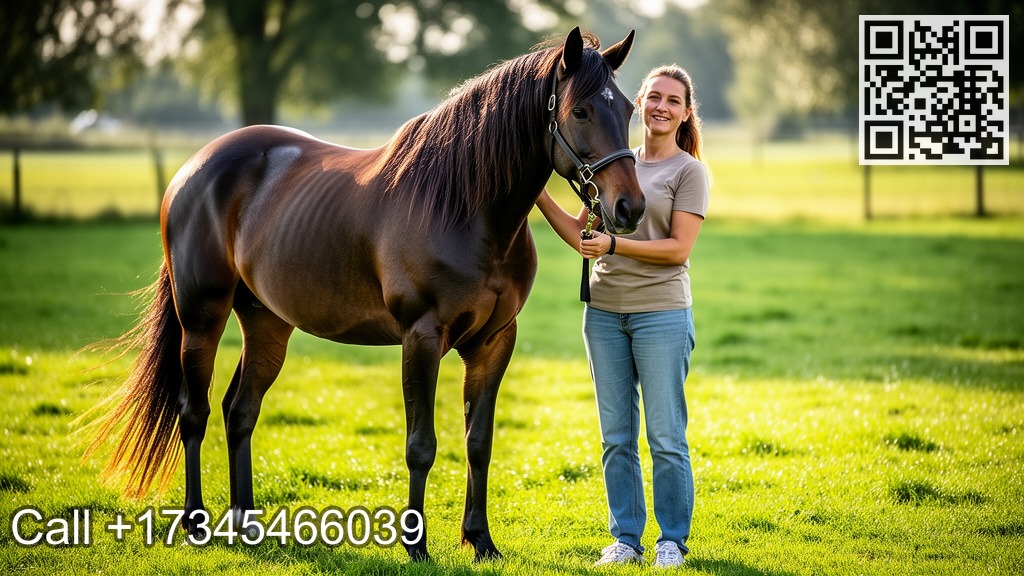
Physiology supports the assurance. In technique, I see heart rates go down 5 to 15 beats per min within 10 mins of quiet grooming, and breath patterns change from brief to stable when a participant matches the equine's rhythm. Some programs utilize wearable sensing units to reveal modifications in heart rate variability as sessions unravel. Even when we do not gauge information in the minute, people report sleeping better after barn days, or feeling the urge to check a phone less typically, or catching a panic rise sooner. These small changes construct capacity.
The circle of count on action
Trauma-informed care hinges on concepts that equate well to the barn. We attempt to make them noticeable, from the method we open gateways to the method we close sessions.
- Safety, both physical and emotional. Clear boundaries, predictable regimens, effectively fitted helmets and boots, steeds picked for personality. The environment informs the body it can downshift.
- Choice. Individuals determine whether to touch, bridegroom, lead, or simply observe. The right to opt out is not a misstep. It is the intervention.
- Collaboration. Goals are co-created. The equine is a companion, not a prop. All voices count, consisting of the equine's signals.
- Empowerment. We highlight strengths, commemorate little wins, and deal skills that transfer to life, like stopping briefly prior to acting or requesting for space.
- Cultural humbleness. We honor different connections to pets and land, and we adapt language and routines to fit everyone's background.
When these worths hold, change tends to stick. Individuals can not process brand-new abilities if they are supporting for the next demand. In the barn, the job is frequently simple, like picking out unguis or leading through poles, however the finding out runs deep. The circle of trust fund is less a technique and even more an ambience that arises from consistent, type boundaries.
What a session looks like
Every program has its rhythm, yet a few contours repeat. The initial touchpoint is arrival. Somebody welcomes you in the car park or at the barn door and orients you to the space. The air gives off hay. We point out where to wash hands, where headgears live, what fencings imply, and exactly how quick we walk around steeds. These concrete supports matter. Predictability lowers threat.
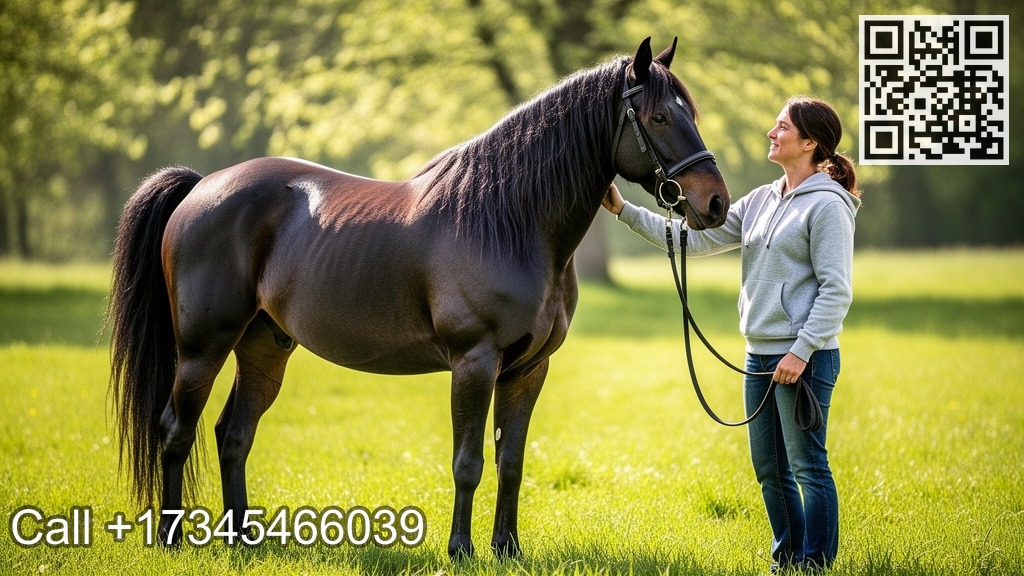
Next, we sign in. Just how is your body doing right now, using words or numbers or pictures. If speaking is hard, we expect clips of breath, scanning eyes, fast actions. We call options: pet grooming, walking an equine in hand, establishing a problem with posts and cones, https://cashguhn871.yousher.com/dexter-s-recovery-hooves-therapeutic-horsemanship-near-to-home or viewing silently from a bench. In groups, we ask what really feels supportive today. If a participant has sensory level of sensitivities, we may reduce the lights in the grooming bay, use a softer brush, adjust the volume of barn speakers, or choose a large paddock instead of a narrow aisle.
Work starts from the ground most of the time. Foundation invites an upright spine, clear feet, and soft hands. For someone with a trauma background, this is exposure treatment in a kind container. Standing near a thousand-pound pet while remaining existing takes courage and focus. We sluggish time down. We discover the steed's ear flick toward a bird, the shift of weight from forehand to hind, the means a lead rope really feels in one hand versus two. A train could ask, What did Willow do right before she moved away. The person may understand they leaned in as well much or looked straight at her eye. We test a various approach, after that assess again.
Riding can be healing, yet we do not rush to it. Placed work adds layers of feeling and requires extra split attention. It can be perfect for anxiety assistance with equines when somebody currently has a baseline of trust on the ground. The sway of a horse at the stroll usually soothes an auto racing mind. For those with ADHD equine learning support needs, the framework of riding patterns produces a focused network for energy. Transitions at letters, taking a breath with rhythm, half-halts that time with exhale - these develop executive feature without a lecture.
We close sessions with combination. That could resemble jotting three notes in a journal, sharing one moment of pleased effort, or practicing a breath hint picked up from the horse's walk. We arrange following steps, not as a sales pitch, but as a method to recognize continuity.
Somatic discovering that sticks
Talk has limitations when the body is on high alert. Somatic healing with steeds uses experience and motion as the access factor. Your hand discovers what soft contact feels like, then your muscular tissues keep in mind how to discover it once again. The equine gives comments that words can not: a lick and chew after you exhale, a head tilt when you shift weight, a loosened up back when you expand your stance. Those signs show interoception. With time, individuals lug that awareness right into other setups, like observing a jaw squeeze throughout a tough meeting or kicking back shoulders before a difficult call.
One veteran defined it by doing this, After a month, I caught myself stopping at a traffic light to take a breath the means I do prior to asking Battle each other to back one step. It appears small, yet it implied I had a means to take the edge off without white-knuckling via it.
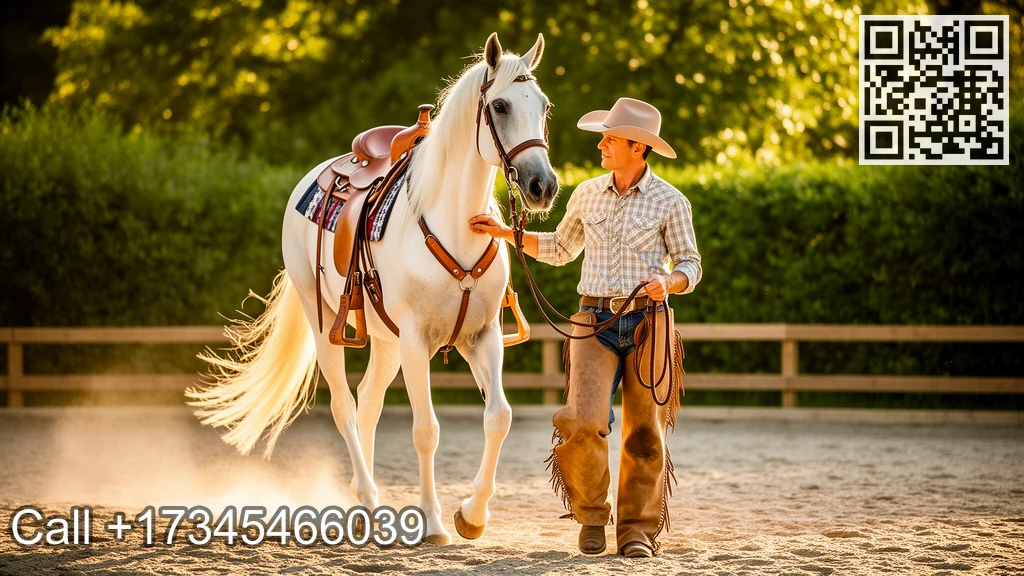
For children and grownups on the range, an autism equine learning program can make sensory input a lot more foreseeable and significant. The rhythm of brushing strokes, the audio of hooves on crushed rock, the feeling of a horse's cozy shoulder under a hand - these inputs are stable and nonverbal, and they arrive in a setting with clear limits. Alternate therapy for sensory difficulties does not mean deserting evidence-based supports. It means using the barn as a laboratory where regulation comes first, and where brand-new skills develop from curiosity rather than pressure.
Coaching, not commanding
Equine-assisted coaching and equine-facilitated mentoring bring leadership and communication styles to the herd. The equine does not appreciate your job title. They appreciate clearness and congruence. If you request a forward step while supporting your feet, they get a mixed signal. Many teams gain from this tidy mirror. Group structure with equines strips away buzzwords and surface areas the genuine behaviors that help or prevent a group. A group that tends to discuss peaceful members could find that a nervous gelding works out just when the soft-spoken intern holds the lead. That minute often activates a valuable discussion regarding how power and voice travel at work.
In individual coaching, we frequently collaborate with boundary-setting and self-confidence. The steed will not enter your room unless you allow it, and if they do, you have a possibility to set a limitation without anger. A participant may practice lifting a hand to develop a bubble, then stepping forward to insurance claim space with breath. The carryover to individual life is concrete. People tell me they asked for a deadline extension, or claimed no to a late-night text exchange, or stood up straighter throughout a presentation.
Therapeutic horsemanship with a trauma lens
Therapeutic horsemanship instructs steed care and riding abilities while maintaining health in sight. It is not treatment by certificate, yet it can sustain therapeutic objectives. An injury lens changes a few details. We invest more time in method and retreat, less in consistent tasking. We utilize plain language to demand authorization: Are you up for trying a trot today, or would certainly you instead stroll and practice figure-eights. We stop briefly if a startle ruptureds via, naming it without pity. We utilize installed job to improve body awareness, not to chase ribbons. If we reveal, it is because the routine and responses really feel encouraging, not since pressure may motivate.
For anxiousness assistance with steeds, healing horsemanship offers reliable anchors. The barn timetable operates on time. Tack belongs. Equines require treatment by the clock. Predictability plus duty goes down anxiety for many individuals. It also develops a healthy and balanced sense of mattering. When a teen who questions their worth shows up to feed and groom, the horse notices and responds. That bond, sincere and devoid of judgment, is a balm.
Who advantages, and exactly how to tell
Horses assist a variety of people. The ones who obtain most have a tendency to share a few attributes: they want to attempt experiential knowing with horses, they like comments to talks, and they are open to seeing their body. Medical diagnoses do not determine fit by themselves. I have actually seen strong gains for people with PTSD, facility sorrow, social anxiousness, ADHD, and autism. One youngster with ADHD discovered to count strides between posts and uncovered that numbers really felt less complicated when he can move. He relocated from spooked and disappointed to absorbed and pleased in a single lesson, then brought that rhythm into mathematics at institution. A parent of a teen with sensory level of sensitivities informed me the barn was the starting point where her daughter selected to leave her noise-canceling headphones at her side, simply due to the fact that she liked to listen to the horses breathe.
There are restrictions. People with active psychosis, untreated compound withdrawal, or serious hostility may need stabilization before functioning about animals. Those with significant mobility difficulties can still participate in equine-assisted activities, yet the setup has to be tailored, sometimes with flexible tack or a ramp and side-walkers. Allergic reactions, fear of large pets, and extreme climate additionally affect planning.
Safety and the horse's welfare
Safety begins with the steed. A program steed requires a constant personality, excellent training, and time off. They require a herd life, turnout, and enrichment that respects their varieties demands, not simply their work summary. Watch for feed quality, hoof care, and vet attention. A bored or overworked steed can not provide the calmness that humans seek.
For people, security consists of headgears for installed job, strong closed-toe shoes, clear field policies, and skilled team who know both equines and human beings. Range of method matters. If a session may surface trauma web content, a certified mental health and wellness professional must belong to the team or on call. If goals consist of equilibrium, variety of activity, or sensory integration, an occupational or physical therapist could co-lead. In all settings, permission is ongoing. If an individual states quit, we quit. If a horse pins ears or swishes tail hard, we listen.
Measuring progression without killing the magic
Data maintains programs honest. It additionally helps individuals see modification. The method is to determine in a way that does not draw individuals out of their body. I such as short, repeated check-ins: a 0 to 10 calm-activation scale before and after, a yes-no on sleep high quality, a regular note about an ability used in the house. For some, a heart price monitor adds a concrete anchor. In a little pilot with 6 grownups over eight weeks, our group averaged a 7 to 12 percent rise in heart rate irregularity during sessions. It is not a randomized trial, yet it associate what we feel in the barn.
For youngsters and teens, educators and parents can track classroom emphasis, morning routines, or meltdown duration throughout a term. Numerous programs see fewer college lacks and far better shifts on barn days. Share these numbers with treatment. They must notify, not pressure.
Group job that makes trust
Group sessions can enhance finding out when done well. The herd social regulations spill right into human team effort. I start with activities that construct nonverbal sychronisation. As an example, three people relocate a horse through a reduced obstacle course without speaking, utilizing stance and breath rather. Debrief centers on what worked, what felt sticky, and what each person noticed in their body. In time, we add voice, after that option, then mild stress factors, like a brand-new pattern. Group building with steeds is not concerning speed. It has to do with coherence.
Groups that consist of trauma survivors need extra care with discretion and causes. We set standards explicitly. We stay clear of surprise difficulties, and we produce opt-in terminals where individuals can choose level of involvement. In family sessions, I commonly see fixing occur with shared care instead of difficult talks. A moms and dad and teen that say at home can coordinate in silence to groom a muddy steed, then make fun of the exact same snort. That shared success ends up being a reference factor for later.
Trade-offs and straightforward edges
It would be very easy to overpromise. Horses are not a cure. Progression is typically indirect. Some days, the win is recognizing a restriction and leaving early prior to bewilder spikes. Climate can terminate strategies, and odor or structure sensitivities can flare. Not every barn has the same criteria, and carrier training differs by area. Some sessions set you back greater than standard therapy, and insurance coverage is patchy. These are real barriers.
I have also seen people press to riding before their system is ready, using rate or novelty to bypass tough feelings. That pattern burns out equines and people. A trauma-informed program reduces that thrill. Groundwork is not a consolation prize. It is a sophisticated practice that several innovative riders go back to for clarity.
How to pick a program that fits
Finding the right supplier matters as long as the technique. Titles differ, from course Intl. Certified instructors to licensed therapists that companion with equine professionals. Qualifications aid, however fit turns up in the feel of the location and the way team speak about horses and people. These inquiries can direct your search:
- How do you define and exercise trauma-informed care, and can you provide instances from your sessions
- What training do staff hold in both human solutions and horsemanship, and how do you take care of range of practice
- How do you secure steed welfare, including workload, turnout, and retirement plans
- What does a very first session look like, and just how do you center individual selection and consent
- How will certainly we determine progress that matters to me without shedding the experiential nature of the work
Take time to check out before enlisting. Watch a lesson. Notification the equines' expressions and the personnel's tone. Ask where you can sit if you require a break. If a program stress you to do greater than you want, keep looking.
Small tales, actual change
A couple of vignettes remain with me. A survivor of domestic violence, hands drinking, asked if she could simply rest near a horse called Pippin. She watched him for thirty minutes, after that murmured, He is not worried of his cravings. The next week, she asked to brush his neck. Months later on, she reported that she currently consumed breakfast most days and felt less ashamed of wanting things.
A nine-year-old with an autism medical diagnosis spent three sessions aligning brushes by shade, after that amazed every person by taking a lead rope and strolling beside a draft cross called Sam. He stopped in front of a cone and looked up, waiting. When Sam did not move, the young boy advance, breathed, and they strolled with each other. His mommy wept. At institution, the young boy's educator saw he began waiting at entrances for others to pass as opposed to bolting through, a quiet resemble of that time out and proceed.
A corporate team got here limited and cynical. Throughout a silent leading exercise, the manager kept pulling at the rope. The equine froze. The intern changed to his side, exhaled, and opened her hand. The gelding followed her. The manager chuckled and stated, I assume I just saw my emails at work. They entrusted a plan to reduce meetings and add more pauses.
None of these minutes allow headlines. They are constant blocks. Stack sufficient of them, and individuals construct a life with more area to breathe.
Getting began, one breath at a time
If you wonder, start with a visit. Smell the hay. Enjoy the horses blink in the sun. Attempt one session and assess your body's response that evening and the next day. Pair this collaborate with therapy if you have a history of injury, and inform your carrier regarding triggers and borders so the team can form a risk-free plan.
Equine-assisted solutions bring a rare blend of immediacy and meekness. Horses do not inform your tale back to you. They fulfill you where you stand, after that ask silent, clear questions. Can you feel your feet. Can you reduce your breath. Can you lead with objective. In that circle of trust fund, lots of people rediscover what safety and security feels like from the within out, then carry it home.