Brave Beginnings: Restorative Horsemanship for Personal Growth
Horses have a way of discovering what most of us hurry past. They read intent, pose, breathing, and whether our hands really feel hurried or kind. Step into a barn and you will certainly hear the silent work of awareness prior to you even touch a lead rope. That is why healing horsemanship has actually ended up being such a constant path for individuals seeking growth. Not a magic bullet, not a faster way, however a based method that educates visibility, communication, and count on a living, receptive partnership.
I have spent years at the rail, in rounded pens, and on routes with households, company groups, and individuals that felt stuck. I have actually watched a gelding pivot his ear and soften a teenager's jaw, a mare quit a professional's spiral of self-criticism with an interested breath on his shoulder, and a team of analysts understand their smart strategy would not matter if they kept crowding an equine's area without asking. The horses are not props. They are partners, and they maintain us honest.
What counts as restorative horsemanship
Language in this area can be complex, so it aids to be clear. Restorative horsemanship is a broad term, one that consists of equine-assisted services across a spectrum. At one end are equine-assisted activities that develop abilities and self-confidence, frequently led by certified trainers. At the other end are professional treatments, frequently with a certified specialist existing, focused on mental health and wellness goals such as stress and anxiety assistance with horses or trauma recuperation. In the middle sits equine-assisted training for management, individual growth, and groups, in some cases called equine-facilitated coaching.
Riding might become part of the work, however it is not required. Many advancements occur on the ground while grooming, discovering to halter, or determining how to lead a thousand-pound victim animal with absolutely nothing more than a rope and your breath. Programs vary in emphasis and qualifications, so ask whether a service aims at health, training, or psychological health therapy. Equine-facilitated wellness commonly mixes relational ability structure with nerves recognition. Equine-assisted training targets communication and leadership, both personal and professional.
Why horses assist us learn
Horses are social, sensitive, and bound to the present moment. They co-regulate in herds for safety, so they see the most reputable feature of us, which is our state, not our story. You can inform a steed you are calm, but if your shoulders are limited and your actions are clipped, that pet will act on your actual rhythm. This is why experiential understanding with steeds sticks. The feedback is immediate and honest, and when you move your stance, your breath, or your focus, the steed reveals you what changed.
There is something else at work that you can feel but not representation on a whiteboard. Many clients describe a different sort of exhale when a steed adopts them, nuzzles their coat, or walks off at their side without pressure on the rope. Somatic healing with steeds is not magical. It involves attention to interoception, the little signals in our bodies that tell us we are secure or braced, tired or keyed up. When your system works out, the steed frequently mirrors that shift. When the horse loosens up first and you match that gentleness, your system learns security in motion. That is more valuable than logic when old patterns are sticky.
A day at the barn, up close
On a typical early morning session, I satisfy a father and his 10-year-old child in the aisleway. She has actually been detected with ADHD and her teachers tell her she never ever finishes a job. We have currently gone over goals with her moms and dads and pediatrician, and we have a strategy that fits ADHD equine finding out assistance. The very first 10 minutes are for arrival and sensory check-in. The aisle smells of hay. We discover the scrape of a wheelbarrow, the chink of a bit somewhere down the row, the mare that enjoys from her stall with one ear cocked forward.
I hand the kid a curry comb. The mare leans right into the stress on her shoulder, after that flicks her skin where the kid brushes too gently. We talk about stress and clearness. We count the strokes to 5 on each patch of layer and build a rhythm. The youngster forgets the next number, gazes away, then returns to locate the mare has stepped over, taking back her room. Without a lecture, the horse provides her a border. Without reproaching her, the steed welcomes her to reset. Aloud, we determine what the https://lukasyvnv984.iamarrows.com/saddle-up-for-self-discovery-therapeutic-horsemanship-for-grownups following 5 strokes will certainly feel like and what a time out resembles. Forty mins later on she strolls the mare in a circle and stops on her breath alone. We celebrate conclusion, not perfection, and we write down one sentence to remember at home.
Two mid-days a week I change equipments for equine-assisted mentoring with adults in career shift. The exercises look straightforward. Theoretically they might seem too basic. Ask a horse to follow you without pulling. Change instructions and keep the limit of a sluggish stroll. Switch leaders at the gate without shedding the link. However within those directions we discover patterns clients carry right into the remainder of life, like over-functioning, rescuing, easy compliance, or bracing for denial. The sector reveals what your team sees when your calendar and your face do not match.
The nervous system piece, level and practical
Talk concerning law can drift right into lingo, so allow me keep it practical. A lot of us alternative in between fight or flight, freeze, and a window of tolerance where we can assume and associate. Horses magnify just how swiftly we relocate in between those states. If you stroll into the round pen with a tangle of thoughts and your jaw set, an equine will certainly either accelerate, move away, or support. If you broaden your position, soften your ribs, and obtain details concerning the next little ask, an equine will typically orient to you once again. That is co-regulation in action.
People working with anxiousness usually believe they require to stop really feeling nervous to move on. Equines educate a much better lesson. You can feel your heart auto racing and still make a clear ask. You can be truthful regarding your anxiety and still maintain your feet under you. Anxiousness support with equines builds that muscular tissue by training interest, not by getting rid of symptoms. The metric that matters is not zero anxiety. It is exactly how swiftly you can discover what is occurring in your body and go back to a reliable choice.
For sensory difficulties, the barn uses a buffet of input that can be handled and formed. Alternate therapy for sensory difficulties must not imply a free-for-all. We purposely regulate input. If the clatter of unguis on concrete really feels overwhelming, we start on soft footing. If the scent of leather is basing, we include tack cleaning as a job. With autistic students in an autism equine learning program, I watch for just how transitions land, just how much uniqueness a person can deal with, and whether predictability needs an increase that day. The steed helps right here too. Herd pets prosper on clear signals and hints, so quality sustains both partners.
Who benefits, and exactly how we tailor the work
Therapeutic horsemanship has actually assisted a vast array of people, but it is not the exact same session for every person. A few examples stand out.
A 15-year-old on the spectrum invested the very first month standing at eviction, resistant to go into the sector. Instead of pushing, we built a map of the space with painter's tape and allow him determine the following mark. Weekly he put one tape line even more inside until he chose to lead the horse to a cone near the rail. He needed control of the speed, and the steed needed clarity on duty. By session six he was cleaning hooves, which demands persistence, equilibrium, and trust on both sides. His language expanded in little functional ruptureds. He found out onward, stay, hoof, and thanks at the exact moments they were needed.
A 32-year-old with panic attacks began in a round pen at 15 feet. She found out to exhale with sound, then to advance while keeping her shoulders soft. Her horse, a patient gelding, would certainly quit and lick when she quit over-managing him. He did not award control, he compensated harmony. Over twelve weeks her panic episodes decreased in size and intensity. She still had stress and anxiety, however she had tools that worked under pressure.
An advertising and marketing group showed up skeptical concerning team structure with equines. They expected trust fund falls. They entrusted to a brand-new meeting rule. In the sector, they finally recognized that their behavior of talking over one another felt like pressure to the steed, that kept leaving the cluster of bodies. When they made a decision a single person would certainly lead each time, with a tidy handoff at each cone, the steed relaxed into the line with his head low. Back at the office they embraced a comparable one-voice-at-a-time framework throughout essential project reviews.
On the ground or in the saddle
People commonly ask if riding is required. Foundation is the back of a lot of programs due to the fact that it is accessible, safe to scale, and abundant in information. Yet riding has its very own presents. Placed job can construct core toughness, equilibrium, and bilateral coordination, especially for youngsters who crave activity. For an adult, finding out to adjust to motion you do not manage can change patterns of strength. If we ride, we start with safety and permission, both for the person and the horse. Mounting blocks, safety helmets, tack that fits, and clear dismount strategies are non-negotiable.
Some days the right relocation is to maintain your feet on the ground. A moms and dad in pain might profit extra from brushing a steed's shoulder, matching breath to strokes, than from managing reins and stirrups. A professional with a tender back may do far better finding out to long-line a horse, a quiet dancing that builds timing and minimizes strain. The factor is not to check the riding box. The point is to discover the right dosage of difficulty and support.
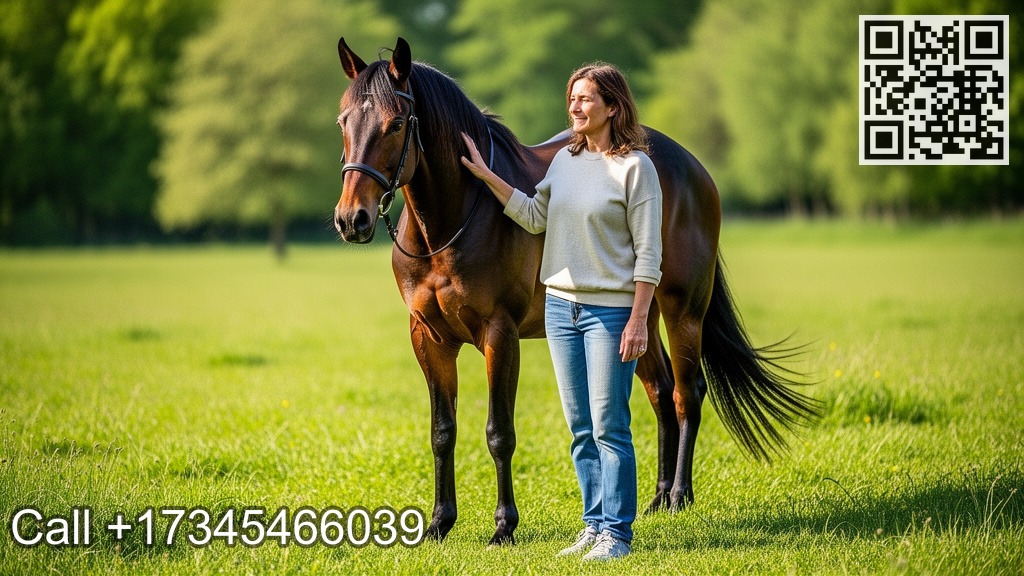
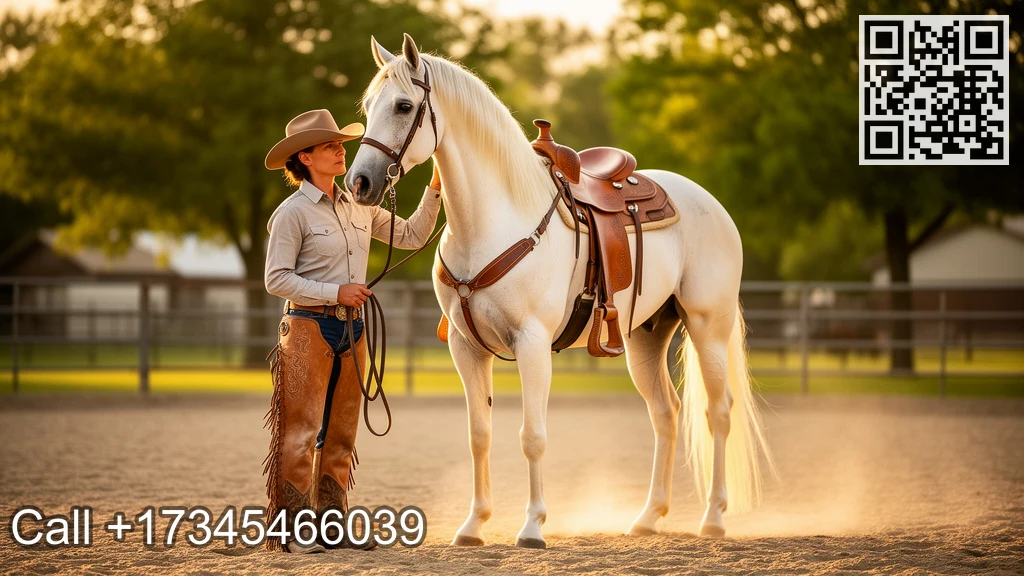
What a session in fact looks like
People imagine a lot of trotting around and feel stunned by the little, particular work that fills a session. The series below describes a typical, 60-minute arc for equine-facilitated training or equine-facilitated wellness.
- Arrival and analysis. Check weather, footing, and herd state of mind. Share a quick intent and scan for sensory requirements, injuries, or big feelings that could alter the plan.
- Grooming and connection. Select hooves, brush, and notification feedbacks. Use grooming to practice pressure, boundaries, and requests with a clear begin and stop.
- Skill emphasis. Lead over poles, navigate cones, or work at freedom in a round pen. Pick 1 or 2 distinct objectives, such as constant rate, clear turns, or soft stops.
- Integration. Time out and reflect on what functioned and what changed. Tie the sector lesson to life outside, with one sensible action to examination throughout the week.
- Goodbye ritual and debrief. Thank the equine, return tack, and note any aftercare, such as hydration, extending, or a slower re-entry if emotions ran high.
The order can bend. On warm days the ability block might come first prior to tiredness. With a youngster who needs motion, we could stroll a lap prior to brushing. Regular keeps you secure, and adjustment keeps the job alive.
Safety, values, and the steeds themselves
Horses are not tools. Honest programs prioritize their welfare together with client end results. That consists of veterinary care, saddle fit, turnover with other equines, and time off work. A steed asked to lug psychological lots throughout the day without alleviation will sour. I see their ears, their eyes, and their rate of interest in the halter. If a trustworthy gelding quits meeting me at the gate, I ask why. Usually the response is rest.
On the human side, safety and security starts long prior to the field. Quality equine-assisted services maintain engagement voluntary, offer clear positioning, and match steed to individual thoughtfully. A youngster that surprises conveniently does not require a reactive young person with a big electric motor. A positive grownup could find out more with a sensitive mare who requests precise limits. Helmets for placed job are typical, and closed-toe footwear are required for everyone.
Programs should be honest regarding extent. Equine-assisted activities that concentrate on skill structure are not a replacement for therapy. If you look for assistance for trauma, clinical depression, or complicated pain, look for a team that consists of a certified psychological health professional. If your goals are management, communication, or stress and anxiety management, equine-assisted mentoring or equine-facilitated health may be the best fit.
Choosing the appropriate provider
Credentials issue, yet so does fit. Ask about training, steed well-being policies, insurance, and emergency situation treatments. Watch a session prior to registering ideally. The best indicator of a strong program is clear, type boundaries for people and horses.
Here is a brief checklist clients usually find handy on their initial visit.
- Wear long trousers, closed-toe shoes with some hold, and layers you can shed.
- Bring water, sun block, and any kind of inhalers or sensory supports you depend on.
- Tell your facilitator concerning injuries, causes, or drugs that affect balance or attention.
- Ask just how the equines live when they are not in sessions, and who advocates for their rest days.
- Decide on one little goal for the day, like regular rate or a clean stop at the cone.
Notice how you feel on the home. If the barn is rushed and loud, if no person makes eye contact, if the horses look boring or nervous, keep looking. If the group takes time to greet you, if steeds rest or forage between sessions, and if you listen to clear instructions that respect every person's dignity, you are most likely in excellent hands.
For families navigating ADHD, autism, and sensory needs
Parents are often informed to get their child to rest still. The barn honors the body's demand to move, then networks that energy right into tasks that call for focus without tranquility. ADHD equine learning support may include strolling a pattern of poles, counting strides out loud, and practicing a stop at the same cone each lap. We develop longer focus in pieces. 5 minutes of directed activity, two minutes of pet grooming, 5 more minutes of leading with a brand-new guideline, and one minute of naming sensations in the hands or feet.
Children on the range frequently grow with the barn's predictability and the steed's clarity. An autism equine discovering program will map transitions, prepare cues, and allow choice within framework. We may develop an aesthetic plan for the session with pictures of each action, then permit the kid to flip the following card. When a child turns to hooves and chooses the left front, we exercise weight change and persistence with each other. Unguis cleansing extends bilateral control, strengthens core stability, and practices requesting for help without collapsing.
For sensory candidates, cleaning can give healthy and balanced input that satisfies without dysregulating. For avoiders, we reduce and name one feeling at a time, from the brush's bristles to the steed's breath on a sleeve. Different treatment for sensory obstacles suggests both appreciating thresholds and delicately broadening them. The steed, by reacting without judgment, minimizes the social risk that can hinder progress.
For adults and teams that desire skills that stick
Equine-assisted mentoring has actually grown because it addresses an issue numerous workshops can not. You can understand a leadership principle and still not personify it when worried. In the sector, your body can not fake it for long. If you state you worth cooperation but you drag the rope and disregard the equine's signals, the separate shows up. If you overcorrect every bad move in your teammate, the horse will certainly really feel that rigidity and press away.
Teams learn quicker with risks they can really feel. One executive group invested half an hour failing to assist an equine via a collection of poles, blaming the horse for persisting. The horse was not stubborn. He was puzzled by 6 individuals giving him directions simultaneously. When they chose one leader and 2 spotters, they prospered in three mins. Later they admitted their once a week meeting had the exact same chaos. The sector provided a bodily memory of what clearness felt like.
For solo professionals, equine-facilitated mentoring makes clear patterns you can not see alone. I collaborated with an owner that kept employing solid candidates, then micromanaging them out the door. In the arena he made attractive asks, after that corrected his equine every 2 steps also when the steed conformed. The horse started overlooking him. When the creator found out to make the ask and then trust his partner, the equine stayed with him. Back at work he practiced the exact same restraint and his retention improved.
Measuring development without minimizing the magic
Accountability lives together with marvel right here. We track outcomes in easy methods. A youngster who might not end up a grooming series now completes curry, brush, and hoof pick on the left side with minimal triggers. An adult who arrived with everyday anxiety attack now standards 2 per week, shorter in period, using breath and motion to browse them. A team that shed hours in meetings currently leaves with choices made in half the time.
Numbers help, therefore do tales. I ask customers to keep in mind one concrete change they or others notice in day-to-day live. Much better rest. Fewer brother or sister blowups. A calmer college drop-off. A conference where individuals left feeling heard. Therapeutic horsemanship works because it moves from the field right into the kitchen, the office, and the school hallway.
Trade-offs and straightforward edges
This field requests humbleness. Not everyone will certainly love steeds. Allergies matter. Weather condition matters. Some days the mud is ankle joint deep and we stay under the overhang with a brush and a stool, which is still beneficial if you dedicate to the process. There are moments when development looks like sitting on a mounting block and sobbing while a steed grazes close by. Promoting an innovation weekly is an error. Steeds respect consistency greater than heroics.
Money and accessibility are real obstacles. Procedure variety commonly in cost, and not all insurance policy covers equine-assisted solutions. Scholarships and team sessions can help, and some barns companion with nonprofits to boost access. Ask. People want to aid greater than you may think.
Providers make compromises too. A little barn with 3 steeds may supply affection yet less routine choices. A larger facility could have a lot more availability and colleagues, but much less flexibility on the fly. The appropriate option relies on your requirements and your gut.
Getting began without overthinking it
You do not have to be a steed individual to start. Inquisitiveness suffices. Call a program, share your goals, and request a tour. Meet the steeds. Enjoy a lesson. Wait the rail and simply take a breath for a minute. If your shoulders go down and your voice settles, you have currently felt the beginning of equine-facilitated wellness.
If you sign up, maintain the initial three weeks simple. Come on time. Wear shoes you do incline obtaining dirty. Bring water. We will develop the remainder together. With time you might find your pose softening in the grocery line, your words slowing down when your youngster requires an extra beat, or your team redirecting a meeting when it obtains crowded with competing schedules. Those are barn abilities appearing where they count.
The ideal step I know is the look on a customer's face when a thousand pounds of equine picks to stroll beside them without a tug on the rope. Because moment collaboration changes efficiency. Brave starts do not require blowing. They ask for existence, a willingness to learn, and respect for a companion who talks via movement more than words. When you offer that respect, equines use back a type of truth that can transform exactly how you relocate via the rest of your life.